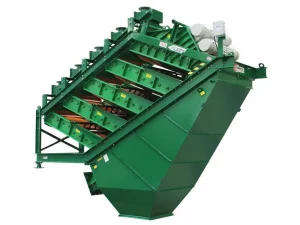
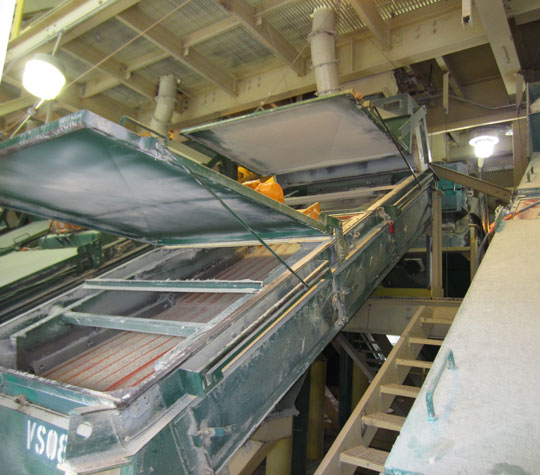
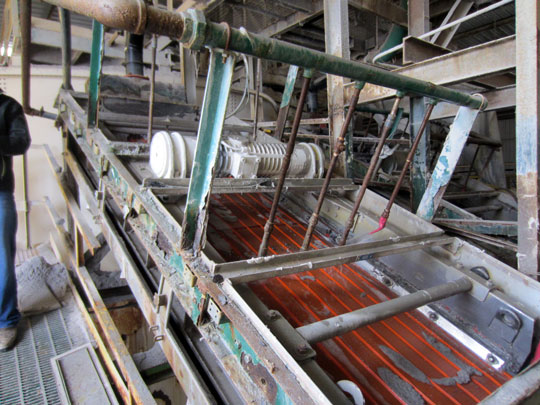
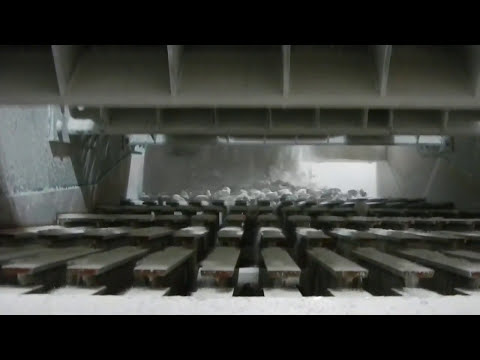
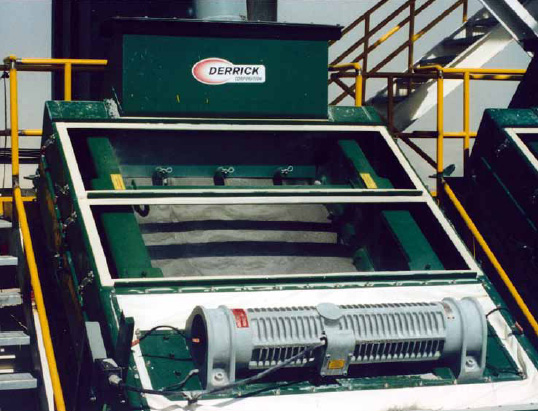
Derrick screens and industrial screening machines are used to separate wet or dry materials into precise particle sizes for processing, classification, or product recovery. If you’re working with fine sand, powders, chemicals, aggregates, ash, or similar bulk solids, this page highlights the most effective high-frequency screening solutions and real-world applications.
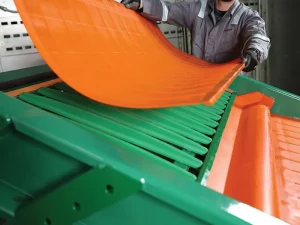
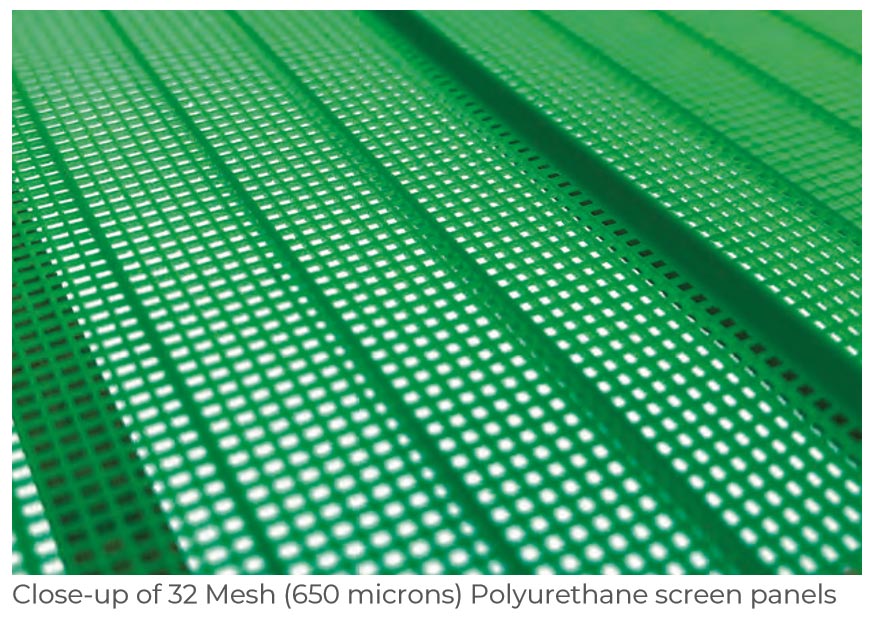
Derrick screens use high-frequency vibration to drive rectangular polyurethane screen panels fitted with fine mesh, allowing accurate separation of materials ranging from 1/8 inch (3 mm) down to 325 mesh.
These screening machines are commonly used in industries such as:
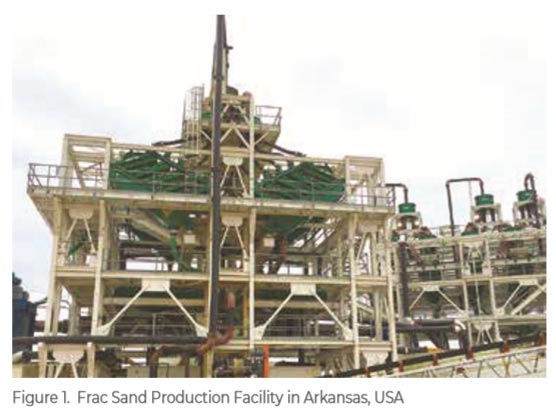
Frac sand and mineral processing
Chemicals and fine powders
Aggregates and construction materials
Recycling and waste processing
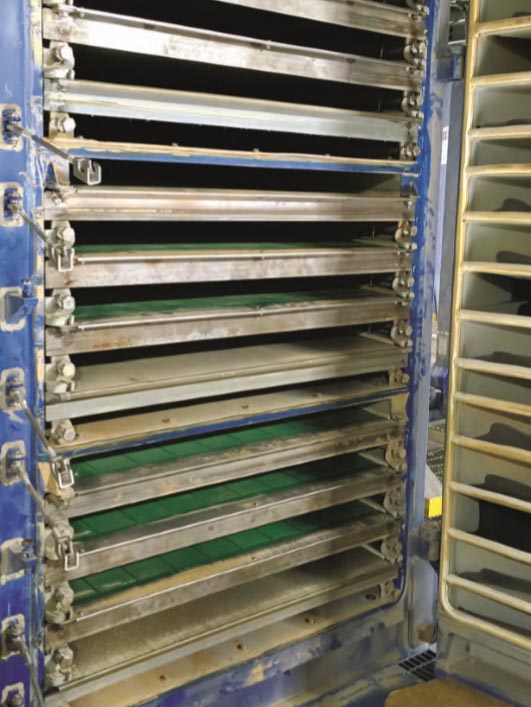
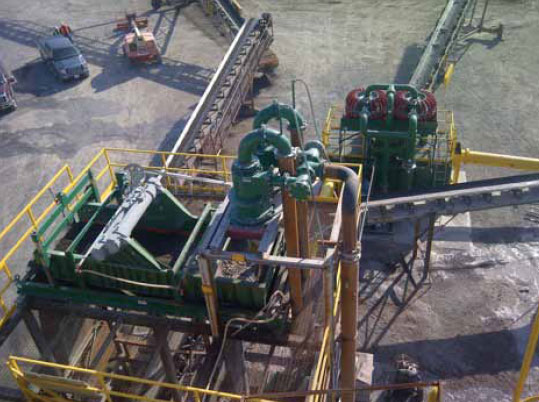
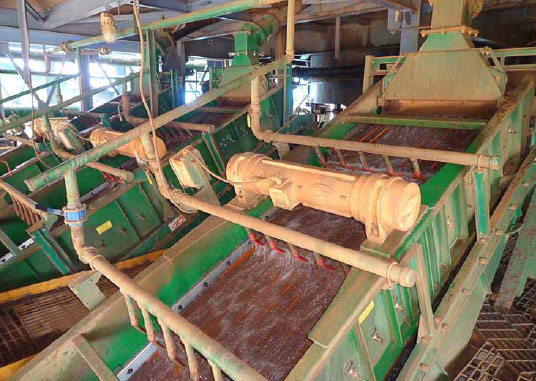
Multi-deck screening machines provide high-capacity wet or dry screening in a compact footprint. Each deck performs a precise particle size separation, enabling throughput of up to 150 tons per hour per machine, depending on the application.
Polyurethane screen panels are engineered for durability and efficiency, with typical service life of 8 to 10 months or longer, reducing maintenance and operating costs.
Need help selecting the right screening machine? Contact our team to discuss your material, required throughput, and separation size. We will recommend the best solution for your application.
Call: (979) 217-1480
View ( 20 ) Case Studies about Derrick Screens & Screening Machines
Tinsley Equipment Company supplies Derrick Stack Sizer screening machines for high-capacity frac sand processing. These multi-deck screening systems are designed to increase throughput, improve product recovery, and reduce operating costs in frac sand plants.
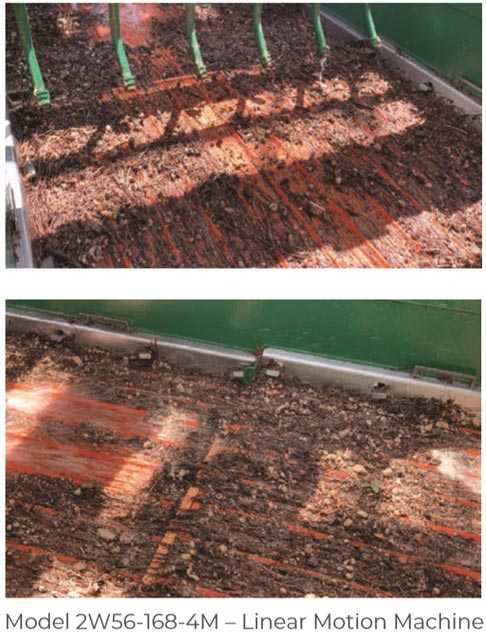
Removing oversized waste from feed to the wet plant.
The sand (dune sand) deposits being mined for frac sand in the West Texas area commonly has oversize and undesirable objects contained in the feed to the wet plant. These objects can be 1/2” to 3/4” sized caliche or other small aggregate, as well as organic material like roots, leaves, and sticks. The objects are problematic for wash plants and cause contamination issues for the final frac sand products.
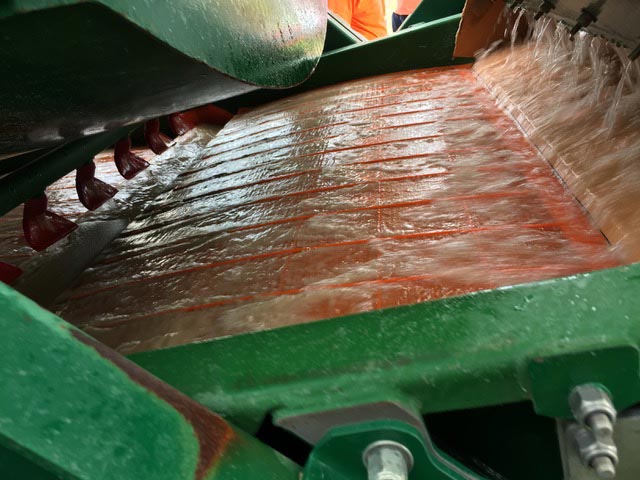
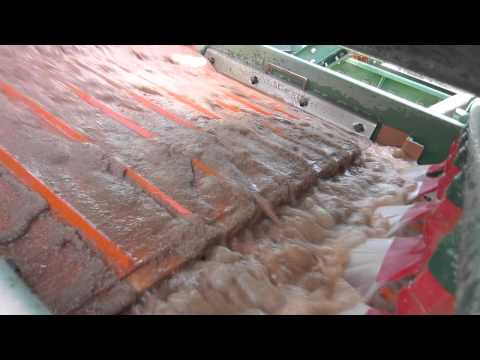
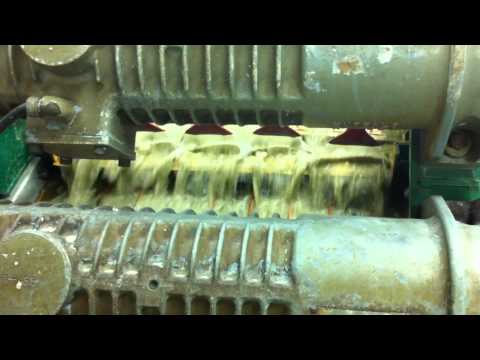
A wet frac sand tailings stream is processed to recover valuable product before wet sand tailings are sent back to a quarry. Water and silica sand are processed over a urethane screen panel designed to remove any remaining product from the tailings stream.
Dry screening silica sand is an effective method for separating and classifying sand particles without the use of water. For operations where water is limited, costly, or undesirable, dry screening offers a reliable and efficient alternative to wet processing.
This process is commonly used in frac sand production, industrial sand processing, and mineral classification applications where consistent particle sizing and high throughput are required.
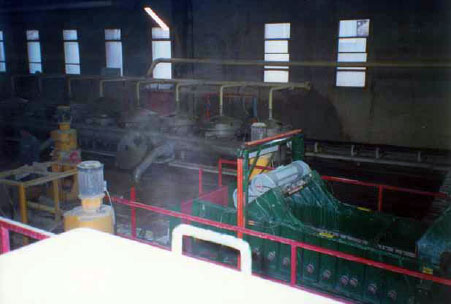
Three vibratory screens are used to scalp oversized silica sand particles in a wet screening application. Sand and water are fed from a water separator onto the screen’s surface. All sand particles larger than 40 mesh are scalped off and removed from the flow.
A US lime producer needed to replace 2 brute force vibratory screens at their limestone quarry due to constant failure of the drive bearings, lost production time, and maintenance costs. After discussions with plant engineering, a single unit with a natural frequency drive screen was selected to process crushed limestone at a rate of 650 tons per hour.
A sand producer was looking to increase production rates at an existing plant by adding new frac sand screening equipment. Their goal was to produce a consistent 40 x 70 API standard product. The feed to the vibratory screening machines would be from a processed material stream that discharges from a hydrocyclone at a solid feed rate of 150 STPH.
This sand processing equipment with dewatering produces a clean and dry industrial sand that contains less than 2% -200 mesh at a rate of 150-175 tons per hour.
A mineral sands producer used new vibratory screening machines (or repulping equipment) to recover garnet at over 90% efficiency. The older, conventional vibrating screens were only able to recover material at about 44% efficiency.
A large ceramic clay producer replaced 12 round screens with (1) single linear motion screen. The producer was using 12 round screens that were processing 25 MTPH in 1 hour and 15 minutes.