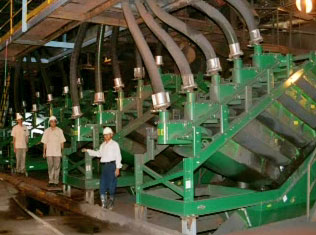
The patented, high-volume Derrick® Stack Sizer® provides a much better economic alternative to Hydrocyclone separators, hydraulic classifiers, and less efficient low volume fine screening systems.
Over 300 of the Stack Sizer units have been sold throughout the world for fine screening and dewatering applications that require high tonnage mineral processing.
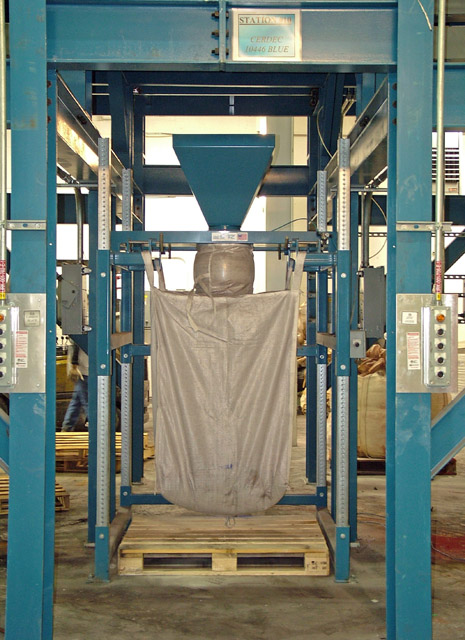
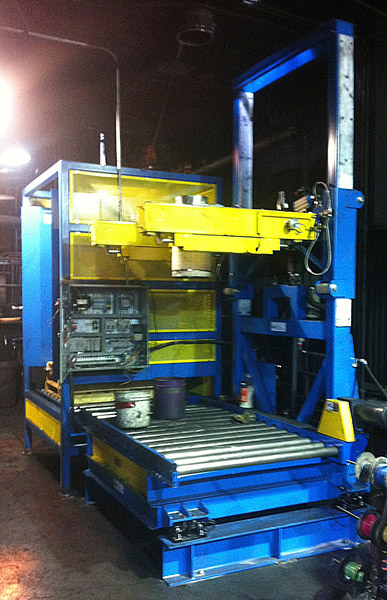
Bulk Bag Filler for Petroleum Coke Located Under Surge Hopper
A heavy-duty bulk bag filler was used to fill bulk bags with petroleum coke, or “pet” coke. The material is fed into a surge hopper, through the inflatable bag head, and then into the bag. A pneumatic slide gate is used to start and stop the flow of material. The bulk bag filler did not include a scale because weight accuracy was not a project requirement. Once the bag has been filled, it is removed from the loader using a fork lift and placed into shipping containers for export overseas.
Waste wire is brought into a recycling plant as baled or loose wire.
The wire is placed on a conveyor and travels to a shredder, where it is ground up and shredded into small pieces. This separates the insulation from the wire.
The shredded pieces are conveyed under and inline self-cleaning overhead magnet. The magnet removes metallic shredded wire pieces from the conveyor and drops them into a container below.
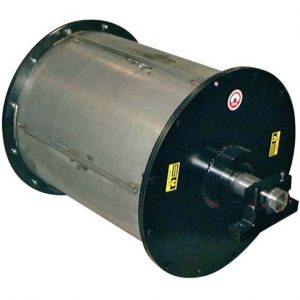
A magnetic drum separator is used to remove ferrous metal from sand, free flowing bulk powders, crumb rubber, and more. The most common drum magnet measures 12 inches in diameter and has a 24 inch wide surface.
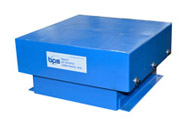
This vibrating table was custom engineered for a customer that manufactures filter media. The flat deck vibrating surface measured 20 inches by 20 inches. It was pneumatic, or air-powered, and was used to settle or densify activated carbon (activated charcoal or coal) inside of the canisters before packaging. The vibrating table has a maximum load of around 200 pounds.
This machine was designed to unload and dispense carbon black powder from big bags into buckets. After filling a bucket, a vibrating table was used to settle or densify the powder. The buckets were stacked onto pallets for transport to an industrial mixer for blending.
This customer specialized in the production of lead powder, tin powder, and tin / lead alloy powders. Their products were used for many types of industries including oil and gas, radiological protective clothing, industrial x-ray shielding, anti-friction products, and batteries. All metal powders are manufactured, blended, and packaged per customer specifications.
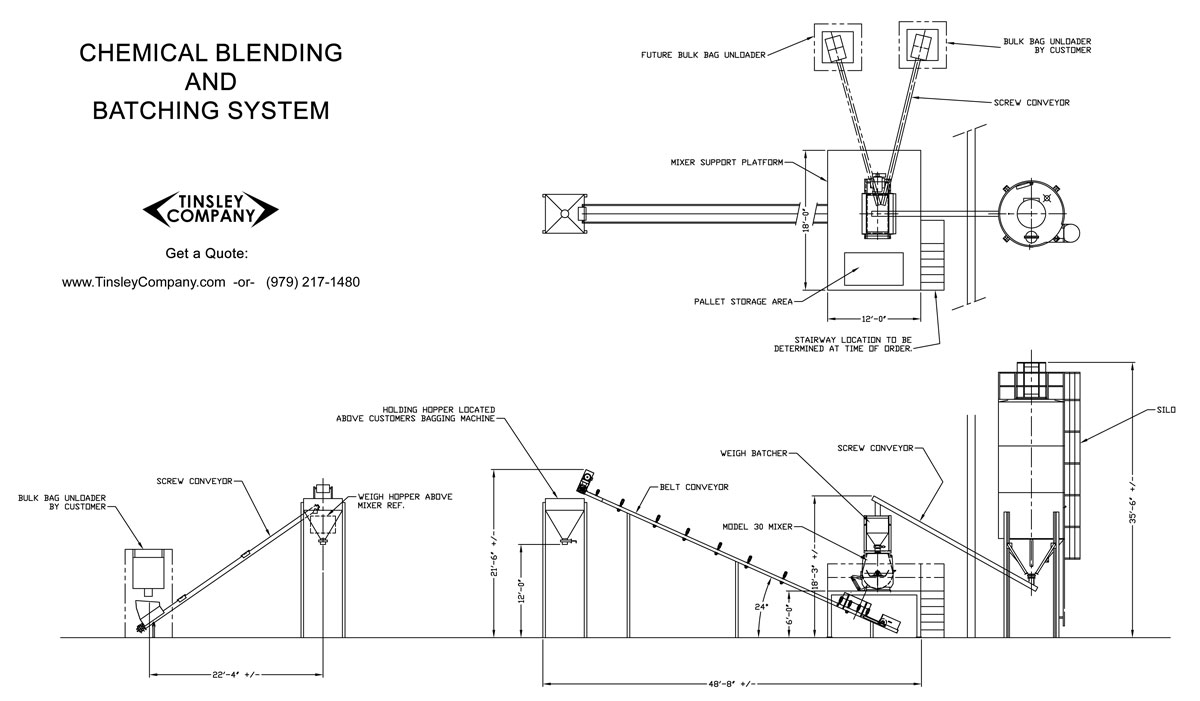
This chemical blending and batching system was used for the toll blending of powder chemicals, including calcium carbonate. The final blended product was to be automatically packaged into bulk bags using a bulk bag filling machine. It could also be packaged into smaller bags using a valve bagging machine.
High-speed mixers designed to blend, condition, and mix
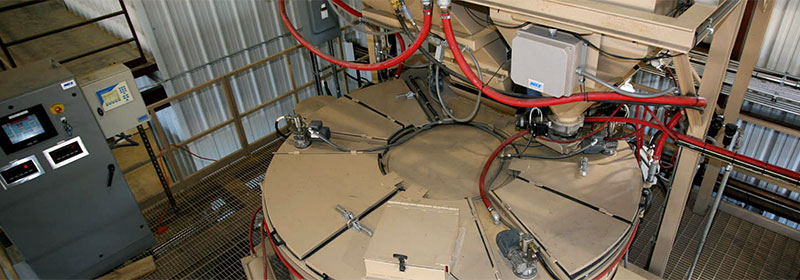
These high-speed industrial mixers are designed to quickly blend, condition, and mix large batches of products including powders, pharmaceuticals, refractory castables, spices and other types of products. They can also be engineered to process hazardous and non-hazardous dust and industrial bi-products for disposal that meets today’s stringent environmental laws and restrictions.
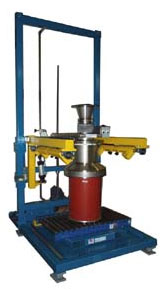
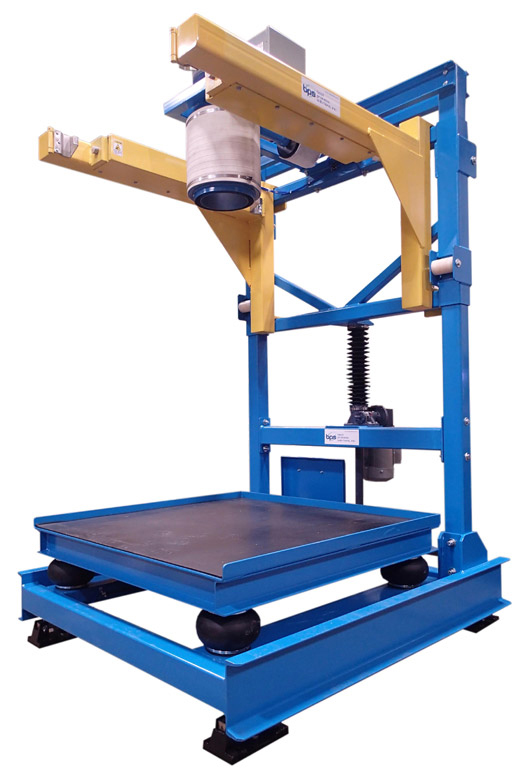
These bulk bag filling machines can fill any size bulk bag with high accuracy.
The operator slides the opening of the bulk bag over the fill head and turns the switch to “inflate.” The inflatable fill head provides a dust-free seal when filling a bag. Once the bulk bag is full, the operator turns the switch to “deflate” and removes the bag.
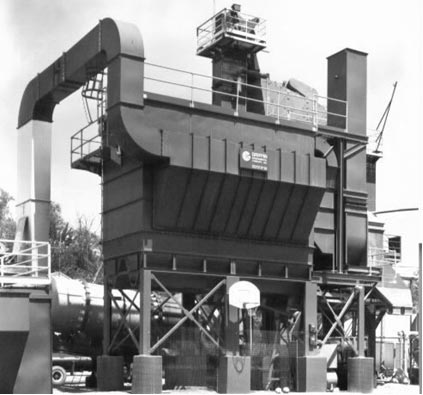
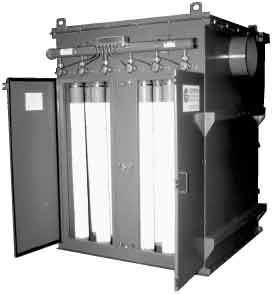
This baghouse, or dust collector, was installed at an asphalt plant. It increased production capacity by 33%.
The asphalt producer had an undersized system and could not produce at the capacity needed in a reasonable time. Trucks waited up to 2-1/2 hours for each new batch of asphalt. The problem was particularly urgent since the business had grown substantially.
Dust Collector for Chemical Blending and Packaging
This dust collector was used at a chemical blending company. It was set up to collect dust generated at the blender, extruders, scales, and packaging.
This producer of batch chemicals, located in the Southeastern U.S., had been operating their process for several years without air pollution and dust control.