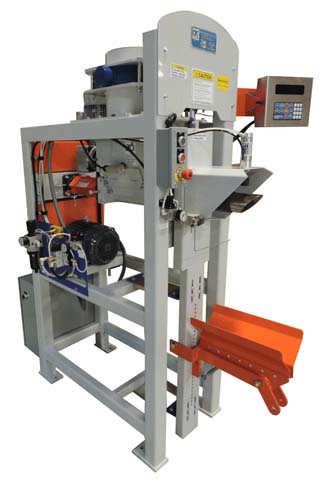
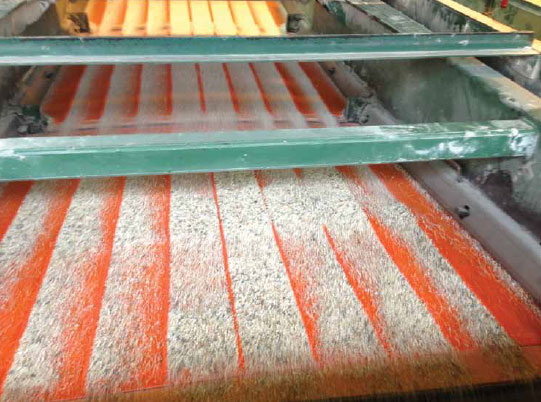
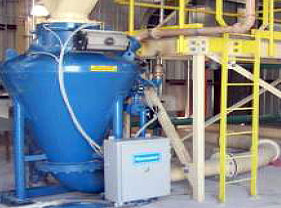
The CBE Series 200 Valve Bagging Machines are used to fill valve bags to weight ranges of 10 to 110 pounds with powders, granules, or flaked products.
The operator installs an empty valve bag and manually clamps it down to the bag filling spout. The operator then presses the start button and material enters through the top of unit into a surge hopper. The hopper contains a spiral agitator that promotes the flow of the material into the auger. The auger then turns on and off from the command controller to fill the valve bag to a set point weight. The bag clamp is then released and the operator removes the filled valve bag from the bag chair.
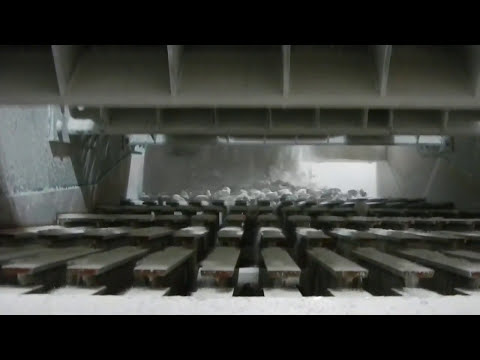
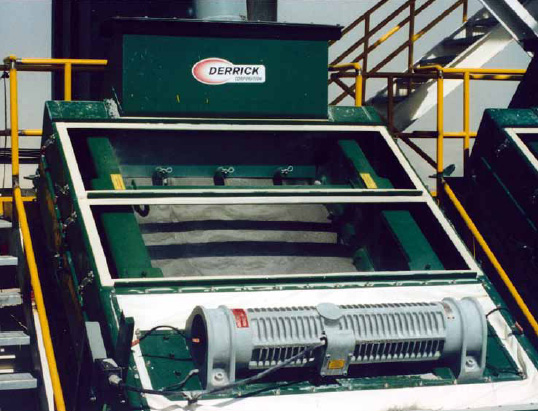
A US lime producer needed to replace 2 brute force vibratory screens at their limestone quarry due to constant failure of the drive bearings, lost production time, and maintenance costs. After discussions with plant engineering, a single unit with a natural frequency drive screen was selected to process crushed limestone at a rate of 650 tons per hour.
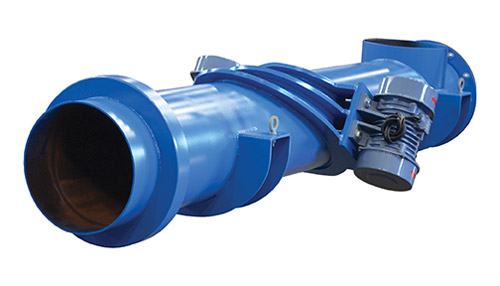
This vibrating tube feeder conveys crushed aggregate to a bulk storage silo. It can also be used to convey other types of bulk materials like powders, bulk solids, and crushed glass. The enclosed design prevents foreign materials from entering the product stream. A pair of variable frequency, industrial vibration motors are used to control the feed rate as needed for downstream production requirements.
It is suspended in place by steel cables connected to a structure above. Isolation springs prevent transfer of energy from the feeder to the cables and structure. Abrasion resistant liners can also be used with this type of tube feeder.
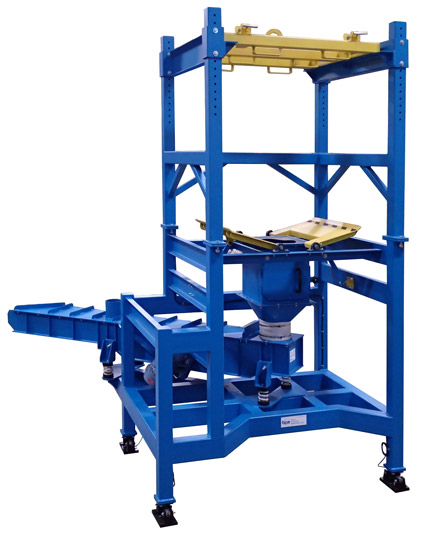
This big bag unloader discharges material from a bulk bag into an industrial mixer. An operator lifts a bulk bag using a fork truck and hangs it on the frame. Material is drawn out of the bag using an enclosed vibrating feeder and transfers it into a paddle mixer for blending with other dry ingredients. The feeder is controlled by a loss-in-weight system comprised of load cells and a controller to dispense a specific weight of material per batch.
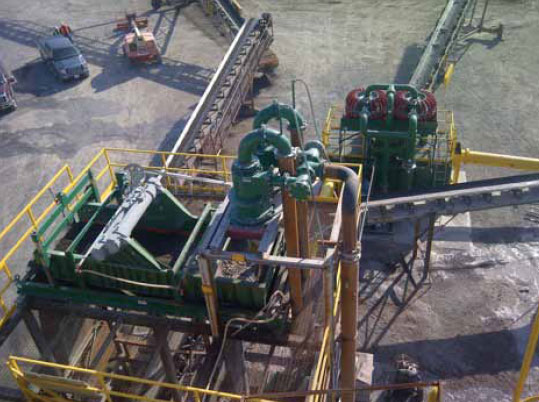
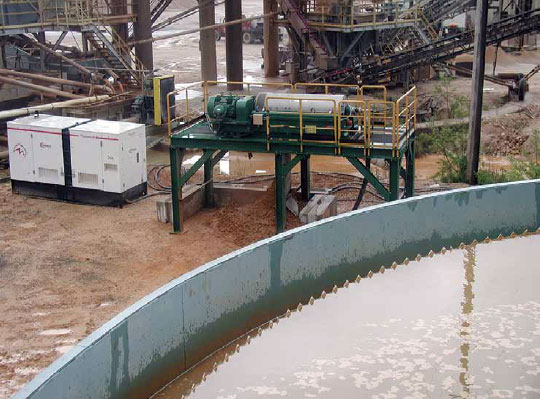
A sand producer was looking to increase production rates at an existing plant by adding new frac sand screening equipment. Their goal was to produce a consistent 40 x 70 API standard product. The feed to the vibratory screening machines would be from a processed material stream that discharges from a hydrocyclone at a solid feed rate of 150 STPH.
This industrial sand processing and sand washing equipment produces a clean and dry industrial sand that contains less than 2% -200 mesh at a rate of 150-175 t/h.
A mineral sands producer used new vibratory screening machines (or repulping equipment) to recover garnet at over 90% efficiency. The older, conventional vibrating screens were only able to recover material at about 44% efficiency.
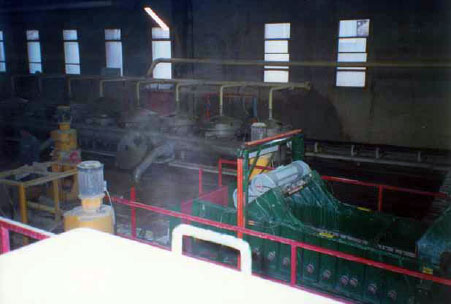
A large ceramic clay producer replaced 12 round screens with (1) single linear motion screen. The producer was using 12 round screens that were processing 25 MTPH in 1 hour and 15 minutes.
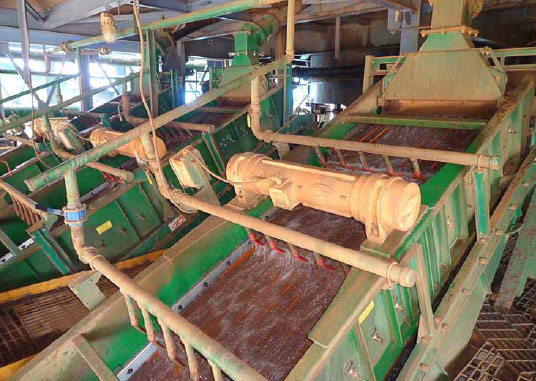
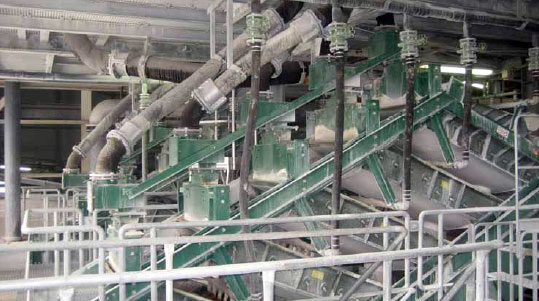
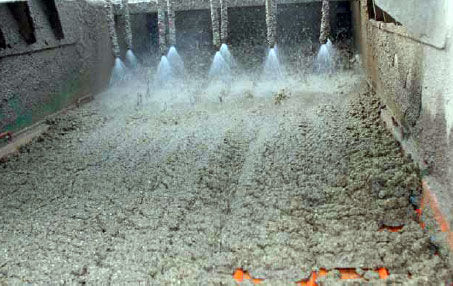
A silica sand wash plant required (4) dual motor vibratory screening machines. These linear-motion screens included high open area 25 mesh urethane screen panels. Spray nozzles were also incorporated into the design for increased fines removal.
These dry urethane screen panels were used on 16 vibratory screens to classify dry frac sand. The highly abrasive 20 to 120 mesh frac sand was causing rapid wear of the existing wire mesh screens. Average failure of the wire mesh screens was occurring in 3 to 5 weeks at a flow rate of 20 tph.
This pneumatic conveying system was installed at a paint production facility and was used to convey titanium dioxide over a distance of 400 feet to material receiving hoppers. It was also designed to pneumatically convey calcined clay, calcium carbonate, mica, amortized silica, and feldspar.