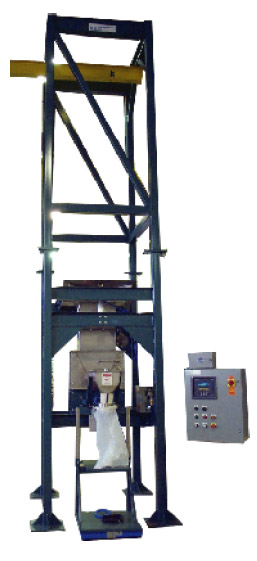
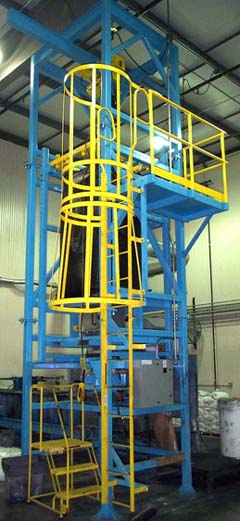
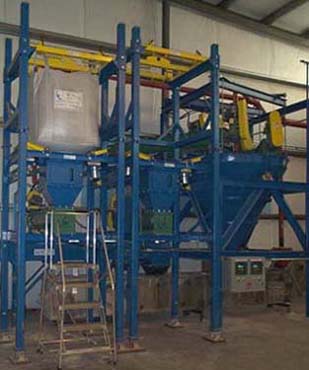
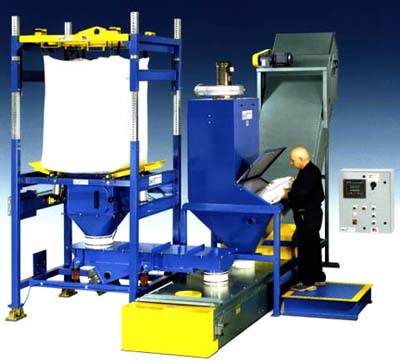
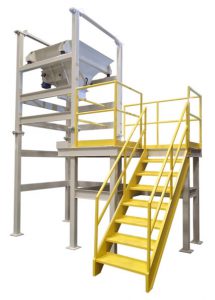
This bulk bag unloader dispenses poorly flowing, granular material directly from bulk bags into a valve bag filler. Then, the valve bag filler fills 40-50 pound bags. A vibrating hopper bin with untie hopper door provides agitation to promote the material transfer at a constant rate. Stairs and a working platform provide access to the bag untie door. The customer loads the bulk bag onto the unloader using a fork lift, but an optional self-contained hoist is available.
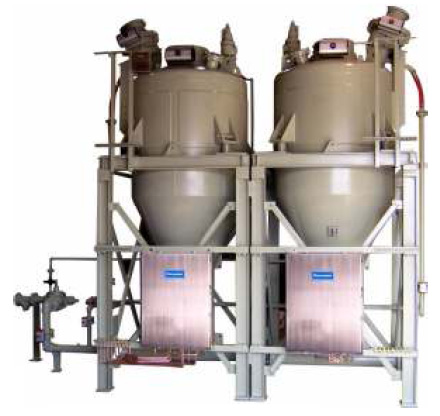
These industrial pumps transfer cement at high rates over long distances. They were a part of a project designed to replace the energy and maintenance of existing heavy screw pumps at a cement plant. The objective was to reduce operating cost of pumping cement and the maintenance that comes along with it.
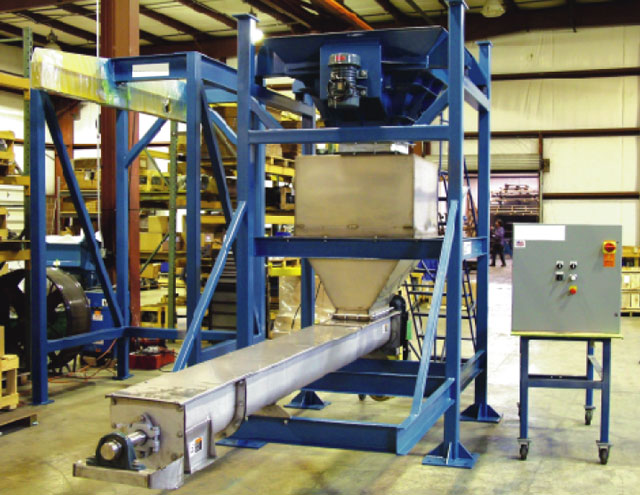
This custom designed big bag unloader transfers Calcium Carbonate from bulk bags to downstream equipment using a screw conveyor. It was manufactured for a large U.S. plastics compounding manufacturer based in Texas. The system shown is designed to dispense and convey Calcium Carbonate, which has a bulk density of 30 to 80 pounds per cubic foot, at flow rates of 9,000 pounds per hour.
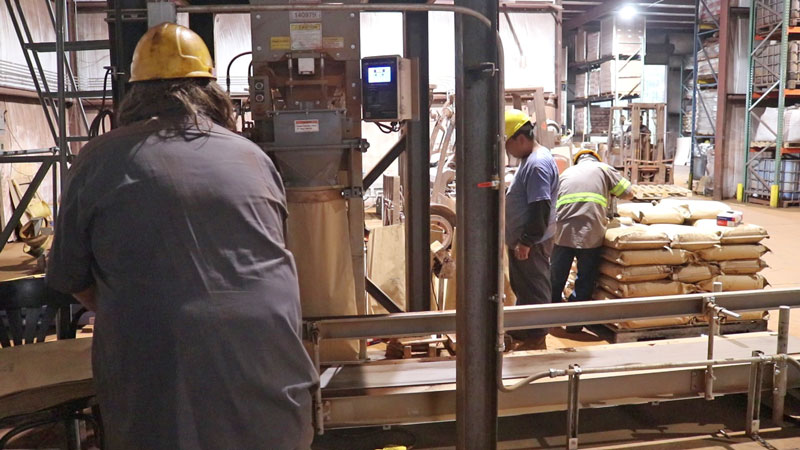
Demand for crushed stone, sand, and gravel has grown over 3% annually from 2016 to 2021*. Tinsley Equipment Company has been a trusted supplier of bagging and material handling equipment needs for customers across the U.S. In the first quarter of 2021, our team helped a customer in Alabama with both their limestone and pigment powder bagging needs.
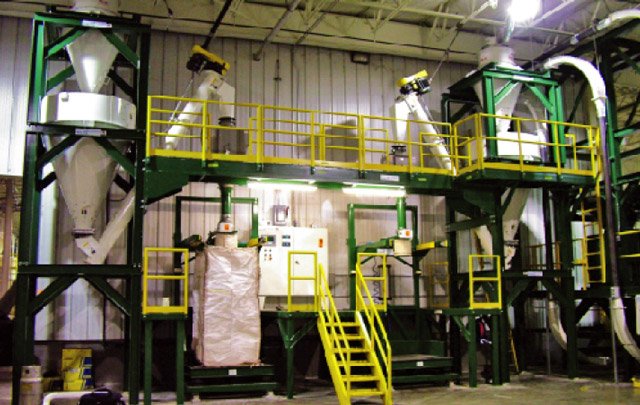
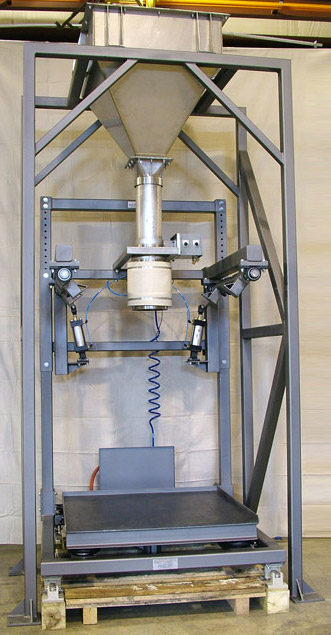
This material transfer system loads and unloads plastic scrap in bulk bags and boxes for recycling. The custom manufactured components included (3) bulk bag unloaders with vibratory agitation, (2) bulk bag filling machines (shown in picture), and (1) bulk box loader. After competitive testing, the bulk bag filling machines proved to be the only ones capable of effectively transferring the large, interlocking shreds of plastic scrap into bulk bags.
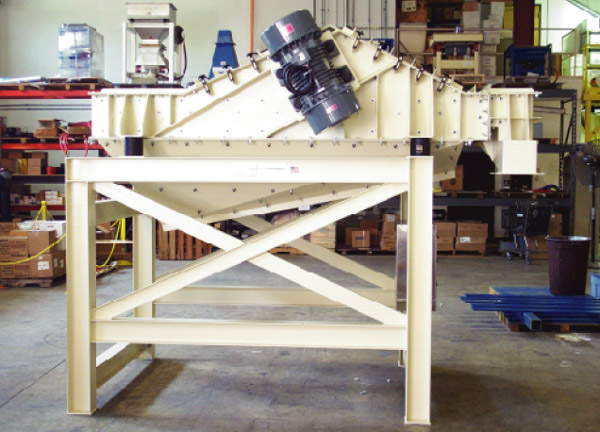
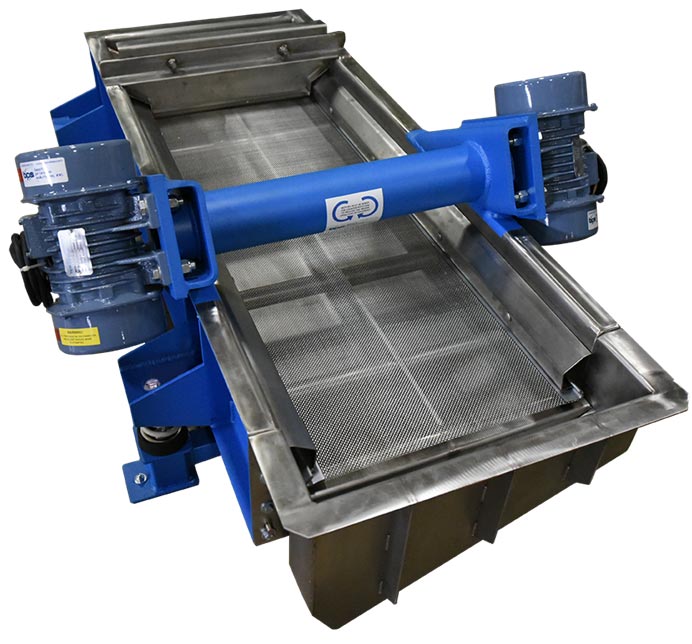
This heavy-duty vibrating screen for fertilizer is four feet wide by eight feet in length. It has dual, top-mounted industrial vibration motors that shake the screen. The screen is designed to scalp phosphate rock at a rate of 150 tons per hour. It removes agglomerates and foreign matter, while producing less than 2% overs. The slope of the discharge funnel and support structure were specially designed to accommodate the customer’s existing collection type, troughing belt conveyor.
This bulk bag handling equipment includes a poly bag filler located under a bulk bag unloader. The 2 ton electric hoist and powered trolley loads the 2,500 pound bulk bags into the unloader. The bulk bag is then emptied and agitated with paddles. Transfer of material is handled by a twin screw feeder onto a scale. The 50 pound poly bags are held in place with a pneumatic bag clamping assembly. The entire process is coordinated through the system control panel and digital weight indicator. Once filled, the bags are sealed and ready for the mixing process.
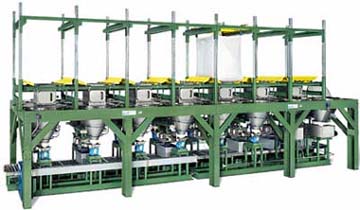
This batching system was custom designed for 7 types of carbon black. They are all simultaneously fed into individual weigh hoppers. Small vibratory feeders meter the carbon black into 16 cubic feet, net weigh hoppers supplied with air-operated, fast acting roller slide gates.
Upon discharge, an air-powered industrial vibrator cleans the weigh hopper before the gate closes. The batch is then transferred by belt conveyor to a 16 cubic feet confirmation (check weigh) hopper, where the final weight is either accepted or rejected. Accepted batches go directly into an industrial mixer. If a batch is out of tolerance, it is rejected via a pantleg diverter into a portable storage container at floor level.
Ingredient Batching System with Bulk Bag Unloading
This minor ingredient batching system for rubber products consists of (13) small vibratory feeders and (3) 2-speed precision volumetric screw feeders, manufactured in 304 stainless steel. The selection of feeder type was accomplished via testing at the manufacturer’s facility. Each product was tested and the type of feeder selected for accuracy and flowability.
Bulk bag unloading station uses intermediate frame to change rubber ingredients often
This bulk bag unloading station dispenses different types of carbon black in precise amounts to produce rubber products.
A “gain-in-weight” bulk bag unloading station with many unique features was designed. Because of the need to change the carbon blacks often, an intermediate frame complete with the unloader assembly was designed to allow the material to be changed, while there was material contained in the bulk bag. This is accomplished by simply closing a butterfly valve and lifting the frame out of a stationary feeding station. A second frame with a different material is then placed into the feeding station, the butterfly valve is opened, and the material change is complete.
The carbon black is metered out of the unloading station and into a plastic bin, which is indexed onto a scale. When initiated, the carbon black batching system will automatically dispense the proper amount of material (with an accuracy of +/- 0.1 lbs.) into a 75 pound batch. The complete process is accomplished in a dust-free environment.
New! Precisely mix and blend carbon black and other types of powders and pellets inside an intermediate bulk container, or IBC, using a patented cone valve.
Bulk bag unloading station and five-ingredient net weigh hopper
This powder blending and batching system was built for a manufacturer of engineered refractory products. They required an automated system to blend and batch seven dry ingredients.
The customer had five existing exterior storage hoppers which where retrofitted with new screw conveyors. The screw conveyors transported their product into a five-ingredient net weigh hopper. In addition to the materials fed into the hopper, there are two loss-of-weight bulk bag unloading stations which are able to simultaneously dispense precise amounts of material. Both the net weigh hopper and the loss-of-weight unloading stations feed onto a collection conveyor for transport to the existing industrial mixer.
This powder blending system is used to mix dry ingredients by weight to create concrete products. Once the ingredients are unloaded into the system, they are conveyed to an industrial mixer.
The equipment consists of a big bag unloader on tank-type load cells, a 50 pound bag dump station with self-contained dust collector, a twin motor vibratory 2-speed feeder with an inclined corrugated side wall, and a cleated belt conveyor. All equipment was designed for dust-tight operation.
A screening machine with two decks was built for a manufacturer of high density colorants used for plastic injection molding. They required the screen to remove longs and fines from the product flow that consisted of pellets. A second concern was to ensure that no ferrous particles like metal nuts, washers, bolts, or other foreign items got into the finished product. These types of tramp material could damage the expensive plastic injection molding machines.
This equipment fills bulk bags and boxes with polyester pellets. All equipment contained in the system was dust tight with powered (CDLR) roller conveyors.
The entire system included 25 feet of incoming conveyor, a 90 degree (left or right) chain transfer, and two bulk bag filling machines with conversion kits to accommodate the filling of bulk boxes. Load cell scales, bag inflation, vibrating densification decks, inlet gates, and grid type vibrating tables for the roller conveyors were just a few of the added options.


 This bulk bag unloader dispenses poorly flowing, granular material directly from bulk bags into a valve bag filler. Then, the valve bag filler fills 40-50 pound bags. A vibrating hopper bin with untie hopper door provides agitation to promote the material transfer at a constant rate. Stairs and a working platform provide access to the bag untie door. The customer loads the bulk bag onto the unloader using a fork lift, but an optional self-contained hoist is available.